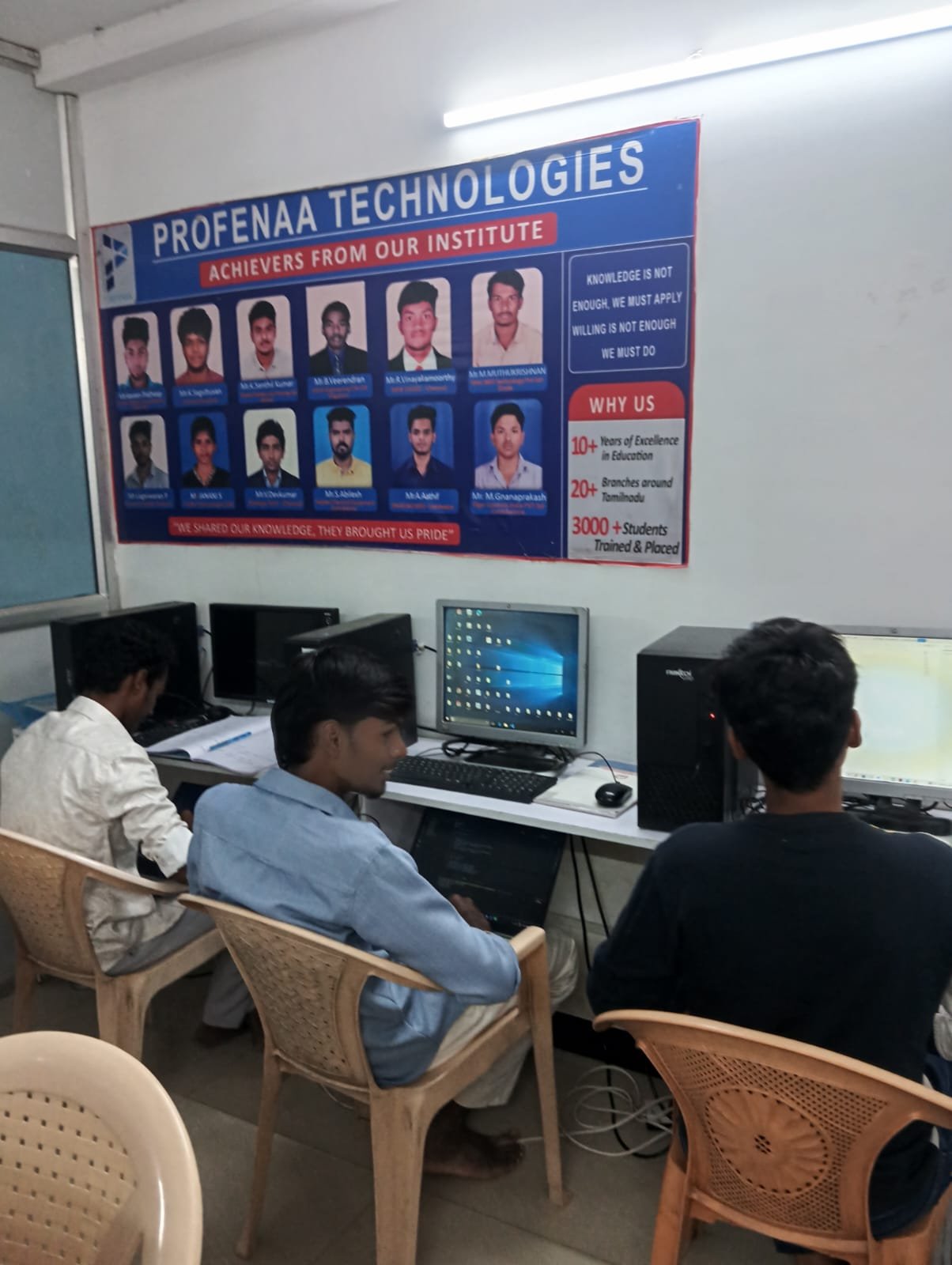
Choosing the right training institute directly impacts how thoroughly you learn and how prepared you are for corporate security roles. If you are searching for a trusted cyber security course institute in Tiruppur, use this comprehensive evaluation checklist before you enroll in any program.
1. Check the Comprehensive Syllabus
A professional security course should never rely solely on surface-level definitions. Ensure the curriculum covers:
- Computer networking fundamentals (TCP/IP, DNS, Routing, Ports)
- Linux and Windows operating system security
- Ethical hacking and penetration testing methodologies
- Web application security (OWASP Top 10 vulnerabilities)
- Network security defenses (Firewalls, IDS/IPS, VPNs)
- Security Operations Center (SOC) operations and SIEM basics
- Cloud security introduction and risk management compliance
2. Look for Real Virtual Lab Practice
Cyber security is a practical discipline mastered by doing. Verify whether the institute provides:
- Dedicated virtual lab access for practicing hacking tools safely
- Capture-The-Flag (CTF) challenges and hacking competitions
- Hands-on attack and defense simulation scenarios
- After-hours lab availability for independent practice
3. Trainer Quality & Experience
- Industry practitioners with real-world security operations background
- Ability to explain complex technical threats in simple language
- Patience in clarifying student doubts during lab sessions
- Up-to-date awareness of current ransomware and zero-day threats
4. Certification Guidance
The institute should guide you on choosing appropriate globally recognized credentials such as CompTIA Security+ or Certified Ethical Hacker (CEH) based on your career goals. Always confirm exam prerequisites and official fees directly with certification bodies.
5. Career Support & Placement Guidance
- Resume tailoring and LinkedIn profile optimization for security roles
- Mock technical and HR interviews with expert feedback
- Guidance on SOC analyst and network security interview questions
- Active internship and job leads across tech hubs
6. Batch Size & Fee Transparency
- Clear fee structure with no hidden charges
- Controlled batch sizes ensuring personalized attention
- Opportunity to attend a demo class before making payment
⚠️ Red Flags to Watch Out For:
• Unrealistic "100% Job Guarantee" marketing promises
• Institutes refusing to provide a demo class
• Lack of computer or virtual lab setups
• Syllabus not provided in writing
• High pressure to pay full fees immediately
Course Duration and Skill Levels
| Skill Level | Core Focus Areas | Typical Duration |
|---|---|---|
| Beginner | Networking fundamentals, Linux commands, security basics | 6 to 8 weeks |
| Intermediate | Ethical hacking, penetration testing, web security | 8 to 10 weeks |
| Advanced | SOC monitoring, incident response, cloud security | 6 to 8 weeks |
Frequently Asked Questions
Is an engineering degree mandatory to join a cyber security institute?
No, an engineering degree is not mandatory. However, strong fundamentals in operating systems, computer networking, and basic logic are essential.
Can I join a cyber security course right after completing 12th standard?
Yes, high school graduates and college students can join beginner-level security and networking foundation programs.
Will a certification alone guarantee me a cyber security job?
Certifications add value to your resume, but practical hands-on lab skills, vulnerability assessment experience, and interview performance are what truly secure jobs.
Ready to Start Learning Cyber Security in Tiruppur?
Call Profenaa Technologies at 7092225100 / 7538825100 or visit our center for a free counselling session.
Book Free Counselling